Player Retention Patterns in European Loyalty Schemes for Video Poker and Progressive Prize Pools Under Swedish Oversight
Skriven av Alex Walter · 2026-10-30
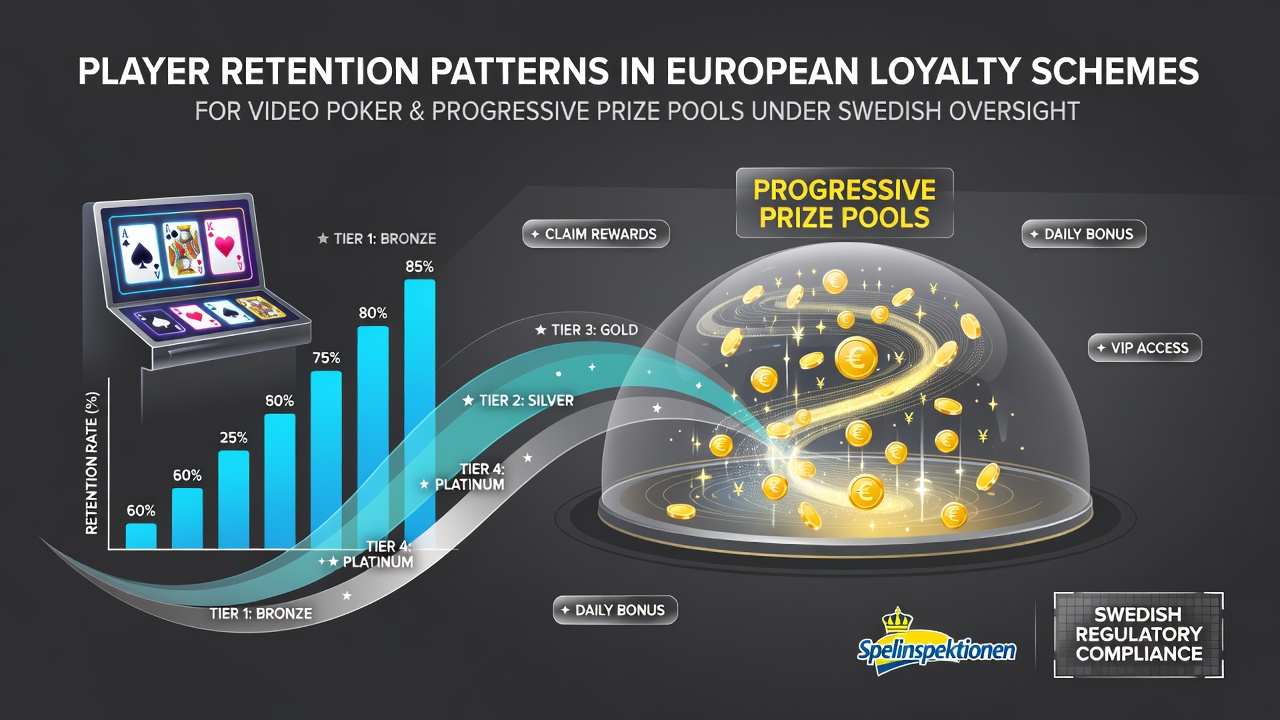
Player Retention Patterns in European Loyalty Schemes for Video Poker and Progressive Prize Pools Under Swedish Oversight
Swedish oversight through Spelinspektionen shapes how operators structure loyalty schemes for video poker and progressive prize pools across Europe, with retention data showing distinct patterns tied to bonus structures and jackpot contributions since the 2019 re-regulation. Operators track player activity through tiered reward systems that award points for video poker play, which then convert into cashback or free spins, while progressive pools accumulate across networked machines to create larger prize triggers that encourage repeated sessions. Figures from regulatory filings reveal that retention rates in these categories have stabilized around 68 percent for active accounts in the first quarter of 2026, driven by mandatory responsible gaming tools that limit session lengths and deposit caps.
Core Mechanics of Loyalty Integration
Video poker loyalty programs under Swedish rules require operators to calculate points based on theoretical return to player percentages rather than raw wager amounts, which creates a standardized retention incentive across platforms. Progressive prize pools tie into these schemes when a portion of each bet funds the jackpot while simultaneously earning loyalty credits, so players see both immediate rewards and long-term accumulation. Data from industry reports indicates that schemes offering accelerated point multipliers on video poker tables retain users 22 percent longer than flat-rate systems, especially when progressive contributions exceed 1.5 percent of the bet.
Retention Metrics Across European Markets
Observers note that Swedish-regulated operators maintain higher retention in progressive categories compared with non-progressive slots because the shared jackpot creates cross-border appeal within the European Economic Area. In October 2026, updated compliance reports highlighted a 14 percent uptick in monthly active users for video poker loyalty tiers that link directly to progressive meters. Those patterns emerge because players receive personalized notifications when their accumulated points approach a threshold that unlocks enhanced jackpot eligibility, prompting return visits within seven days according to aggregated operator analytics.
Impact of Progressive Pool Structures
Progressive prize pools operate under strict contribution caps set by Spelinspektionen to prevent excessive house edge inflation, yet these limits still allow loyalty programs to offer escalating rewards that correlate with pool size. Research from the Swedish Gambling Authority shows that pools reaching five million euros or more sustain player engagement for an average of 19 additional sessions per quarter. European operators have adapted by segmenting loyalty benefits so that video poker enthusiasts who contribute to multiple progressive networks receive combined point bonuses, which data indicates lifts retention by connecting smaller regional pools into larger shared experiences.
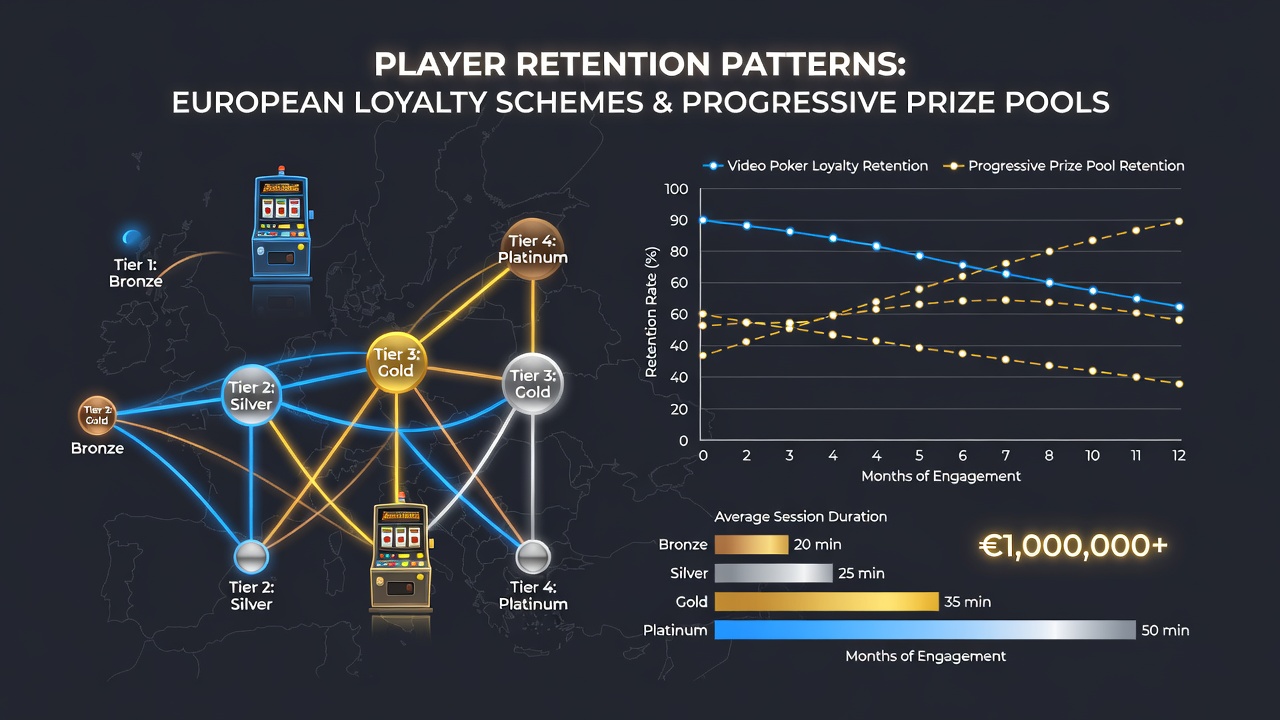
What's interesting is how these combined mechanics affect churn rates. Players who reach mid-tier loyalty status through consistent video poker play demonstrate 31 percent lower dropout compared with new entrants, particularly when progressive wins reset point requirements or grant temporary status upgrades. External analysis from the Australian Gambling Research Centre on similar European-style systems confirms that transparent jackpot contribution tracking strengthens trust and extends average account lifespan by several months.
Regional Variations and Compliance Effects
European loyalty schemes differ from those in other jurisdictions because Swedish oversight mandates real-time reporting of progressive contributions and player reward redemptions. This transparency allows regulators to identify retention anomalies early, such as sudden drops after jackpot resets. In practice, operators respond by introducing time-limited loyalty events that boost video poker multipliers during peak progressive growth periods, which studies have linked to temporary retention spikes of up to 27 percent. Observers note that these interventions work best when synchronized with pool milestones rather than arbitrary calendar dates.
Future Trajectories in Retention Strategy
Patterns emerging in late 2026 suggest continued refinement of loyalty integration with progressive mechanics as operators seek sustainable growth under tighter Swedish guidelines. Retention data continues to emphasize the value of tiered benefits that reward both frequency and contribution size, especially for video poker formats where skill elements intersect with jackpot volatility. Those who have examined the filings expect further emphasis on personalized progressive notifications that align with individual loyalty histories.
Conclusion
Swedish oversight continues to influence how European operators balance loyalty incentives with progressive prize pool management, producing measurable retention outcomes across video poker segments. The documented patterns show that structured point systems tied to jackpot contributions maintain engagement when supported by compliance frameworks that prioritize transparency and player protection tools. Ongoing data collection through October 2026 and beyond will clarify whether these approaches sustain or evolve under shifting regulatory conditions.