The Evolution of Interactive Dealer Features in Real-Time Video Gaming Experiences
Skriven av Alex Walter · 2026-09-18
The Evolution of Interactive Dealer Features in Real-Time Video Gaming Experiences
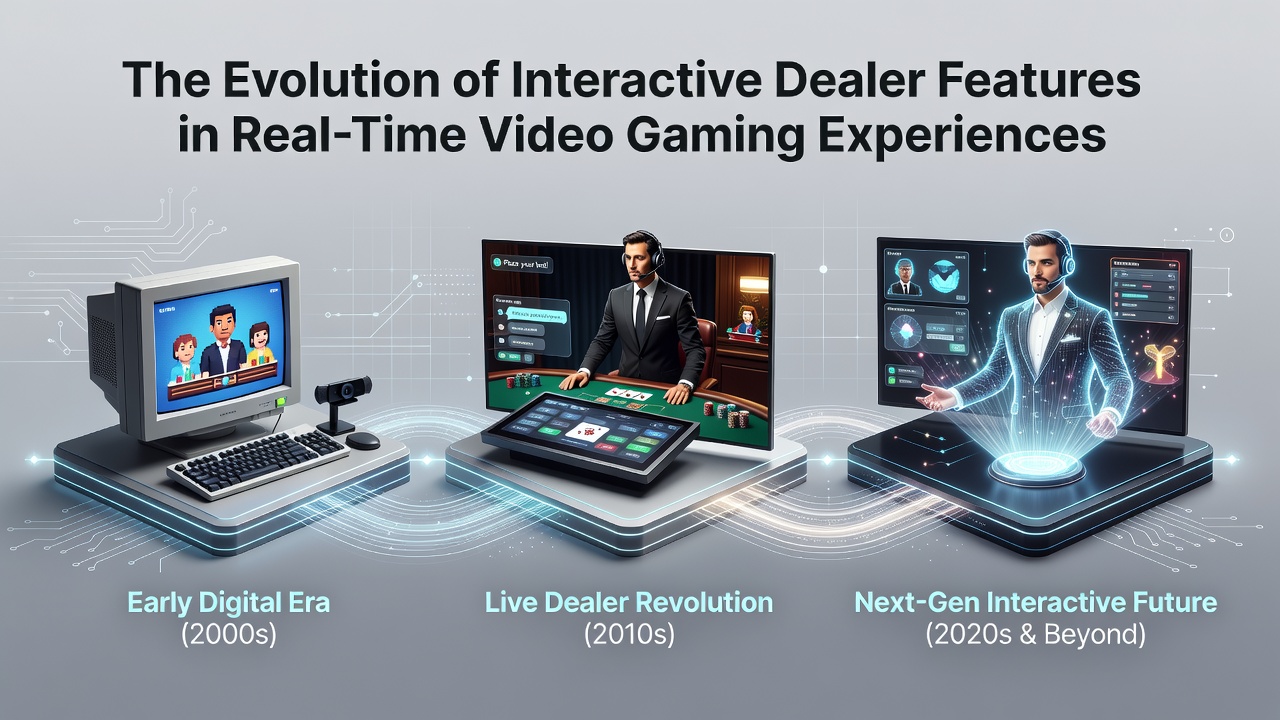
Real-time video gaming experiences began with basic live streams in the late 1990s and early 2000s, when operators transmitted dealer actions through single-camera feeds that offered limited viewer interaction beyond watching the game unfold. Those initial setups relied on standard video compression and basic internet connections, which restricted image quality and delayed responses during play sessions. Researchers at various institutions documented how these early systems laid the groundwork for later innovations by demonstrating demand for authentic dealer presence in digital formats.
Technological Foundations in the 2010s
Advancements in streaming technology during the 2010s introduced multi-angle camera systems and higher resolution video, allowing viewers to observe dealer movements from several perspectives simultaneously. Data from industry reports indicate that bandwidth improvements enabled smoother transmissions, while integrated chat functions let participants send messages directly to dealers in real time. One study revealed that these features increased session durations across platforms because users valued the direct communication channels that mimicked physical casino environments.
Hardware upgrades played a key role as well, with operators adopting green screen techniques and professional lighting to create immersive backdrops that enhanced visual appeal. According to figures from regulatory bodies in multiple regions, adoption rates climbed steadily as software platforms integrated these tools into existing frameworks. Observers note that this period marked a shift from passive viewing to more engaged participation, setting standards that later systems would build upon.
Integration of Interactive Elements
By the mid-2010s developers added touch-screen controls and gesture recognition to dealer interfaces, which permitted players to influence game pace through simple inputs visible to the dealer on their monitor. These additions connected related ideas around user agency and dealer responsiveness, creating sessions where decisions felt collaborative rather than automated. Experts have observed that such features reduced perceived separation between remote participants and the live action.
Audio enhancements followed, incorporating directional sound and voice modulation that allowed dealers to address specific players by name or respond to typed comments with natural replies. Research indicates these elements strengthened retention metrics because they fostered a sense of presence during extended play. What's interesting is how regulatory frameworks in places like Nevada and parts of Europe adapted their oversight to accommodate these evolving interfaces without disrupting core gaming integrity.
Recent Developments Through 2026
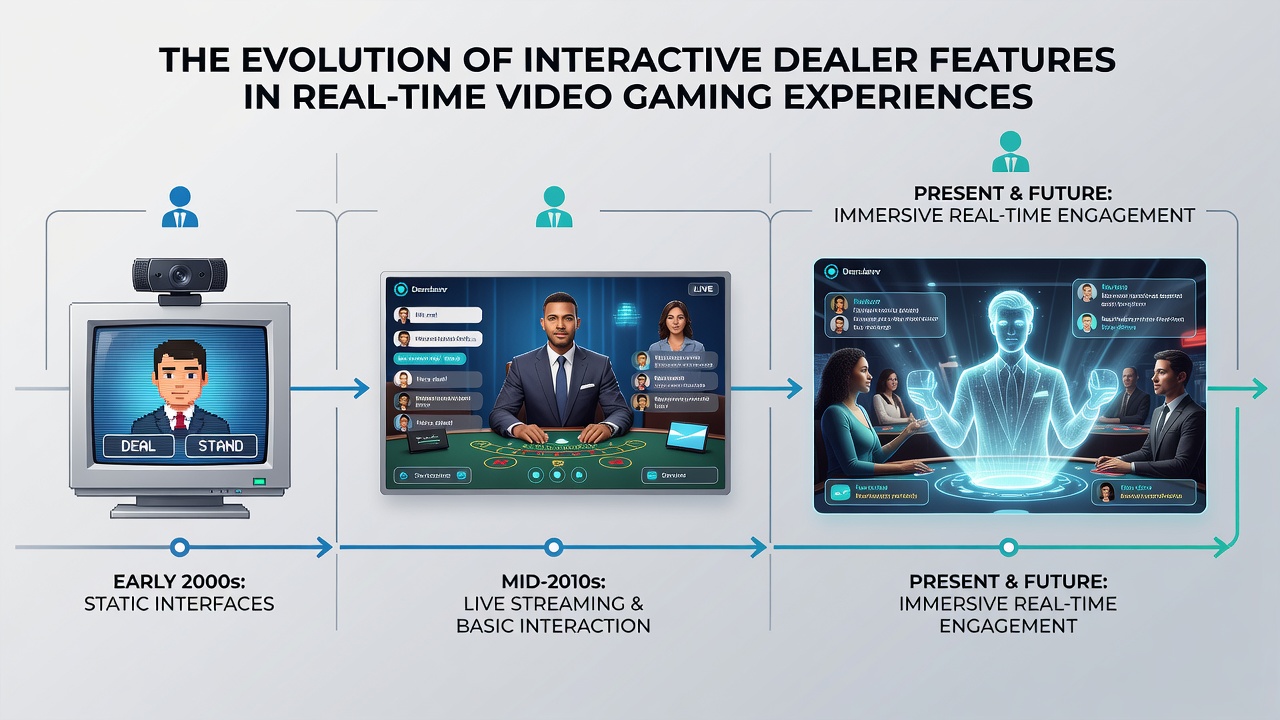
Artificial intelligence entered the picture around 2020, enabling dealers to receive real-time prompts based on player behavior patterns detected through platform analytics. This integration combined with existing video streams to produce personalized greetings or game suggestions delivered seamlessly during rounds. Data shows that operators in Australia and Canada reported measurable gains in engagement after deploying these systems, which operated alongside human dealers rather than replacing them.
In September 2026 several major platforms rolled out enhanced haptic feedback options that let players feel simulated card shuffles or chip movements through compatible devices, further bridging physical and digital gaps. Those who've studied these updates note the careful calibration required to maintain fairness standards across jurisdictions. Industry organizations such as the European Gaming and Betting Association have published guidelines that address these new layers of interaction while supporting continued innovation.
Virtual reality components gained traction as well, with some providers offering headsets that place users at virtual tables where dealer avatars respond to tracked eye movements and gestures. A report from the Nevada Gaming Control Board highlights compliance testing for these environments, ensuring that real-time video feeds remain synchronized with VR overlays. People often find that these combinations deliver heightened immersion without altering fundamental rules of the underlying games.
Future Directions and Industry Impact
Looking ahead, machine learning models continue to refine dealer training modules that simulate diverse player scenarios for practice purposes before live deployment. These tools draw from aggregated session data to improve response times and interaction quality across global operations. Evidence suggests that cross-border collaborations between developers and regulators have accelerated safe rollout of such features.
Security protocols have evolved in tandem, incorporating end-to-end encryption for all chat and video streams to protect participant information during interactive exchanges. Observers note that this focus on privacy aligns with broader digital standards while supporting the growth of real-time experiences. Academic sources, including research from institutions in Singapore, have examined how these safeguards influence user trust and platform longevity.
Conclusion
The progression of interactive dealer features reflects ongoing responses to technological capabilities and user expectations, documented through consistent industry data and regulatory records. From single-camera origins to AI-assisted and VR-enhanced environments, each stage built upon prior developments to create more connected gaming sessions. As of September 2026, these systems demonstrate measurable impacts on engagement metrics across varied markets, with further refinements anticipated through continued research and collaboration among stakeholders.